< Back to homepage
FIS Global — Financial Ecosystem Modernization
Lead Product Designer • 1-Year Contract • iOS & Android
Solo lead designer — partnered with product, engineering, and QA across a multi-institution platform
FIS Global — Platform Improvements
A collection of high-impact initiatives delivered across a white-labeled digital banking platform—focused on SMB access and approvals, payments, and scalable partner customization.
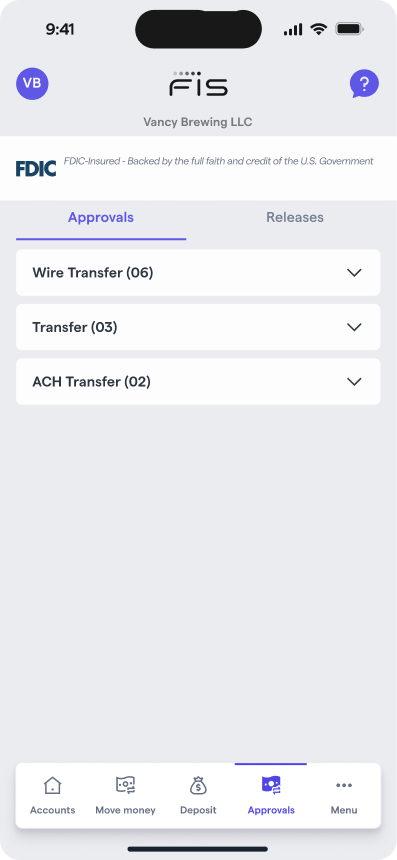
SMB approvals
Simplified role
based approvals
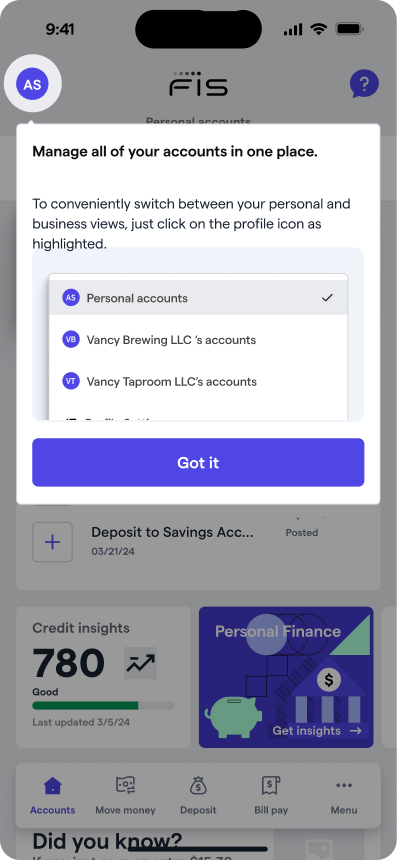
Multi-account switching
SMB multi-login / multi
-account access
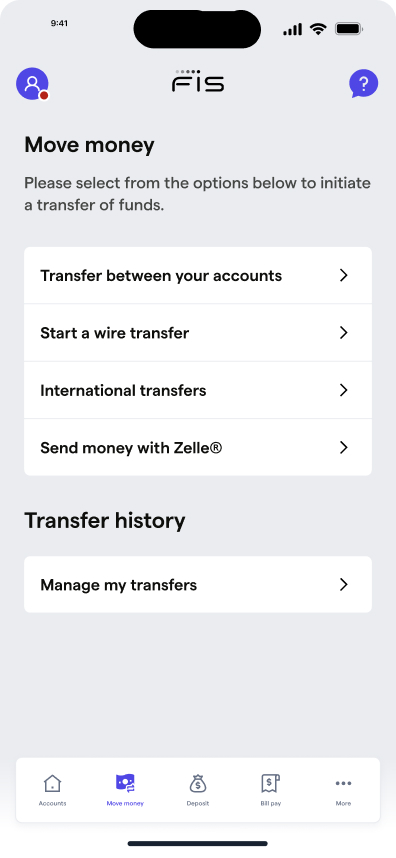
Payments
Reduced friction
in payment journeys
Overview
During my time with FIS Digital One, I led a series of high-impact platform improvements across SMB access, approvals, payments, and white-label scalability. Rather than surface-level redesigns, this work addressed structural complexity within a multi-account banking system deployed across financial institutions.
The focus was on simplifying portfolio logic, clarifying role-based workflows, and unifying fragmented payment experiences across iOS and Android during a 1-year contract.

Initiative 1
SMB multi-account switching & approvals

The Problem
SMB users operate across personal and business portfolios with role-based permissions. Unclear ownership boundaries, switching friction, and ambiguous approval states created cognitive overload and workflow confusion.


The Decision
I restructured the SMB experience into a
unified system with clear portfolio foundations and role-based overlays. This clarified account ownership and approval visibility, reducing friction and improving scalability across deployments.
Prototype
Streamlined the SMB architecture with unified portfolio structure, intuitive context switching, role-based overlays, and consistent approval patterns.

- Account switching between personal and business contexts
- Setting a Default Portfolio View
- Dynamic Feature Visibility Based on Selected Account
> Here is the prototype link
System Mapping (FigJam)
Mapped portfolio hierarchy, accounts permissions, switching, and approval state transitions to align SMB workflows under a unified structural model.
Outcome
- Enabled scalable deployments across 85+ institutions
- Reduced switching friction and approval ambiguity
- Improved workflow clarity for SMB users
Initiative 2
Payments (Domestic & International)
The Problem
Domestic and international payments were built on separate legacy web flows, leading to duplicated logic, unnecessary steps, and inconsistent user experiences.
The Decision
Consolidate domestic and international payments into a unified mobile architecture with built-in automation, and introduce a dedicated bottom-navigation hub to centralize money movement and improve accessibility.
Prototype
Rebuilt both flows with fewer steps, intelligent pre-fill, saved beneficiaries, and standardized review and confirmation states.
- Dedicated Money Hub for Easier Access
- Unified Domestic and International Payment Flow
- Real-Time FX Rates and Arrival Estimates
- Smart Pre-Fill and Saved Beneficiaries
> Here is the prototype link
System Mapping (FigJam)
Analyzed legacy web flows to identify duplication and structural divergence. Consolidated shared logic into a modular payment framework and introduced a dedicated “Money” hub in the bottom navigation to centralize transactions and support future scalability.
Outcome
- Launched a unified domestic and international payment flow, increasing daily transactions by 24%
- Reduced friction by minimizing repetitive data entry with intelligent pre-fill
- Increased user trust in cross-border payments through real-time FX rates and delivery estimates
- Established a reusable payment framework scalable across 85+ institutional deployments
Initiative 3
Designing for White-Label Scalability
The Problem
Digital One supports multiple financial institutions with distinct branding needs, but many brand palettes did not meet WCAG AA standards. Uncontrolled customization risked accessibility issues and fragmentation across deployments.
The Decision
Preserved core architecture while introducing an accessibility-compliant theming layer, refining brand colors to meet WCAG AA standards before integrating them into predefined components.
Prototype
Applied WCAG AA–compliant brand variants across core components, validated contrast in real interface contexts, and demonstrated scalable theming across multiple bank deployments.
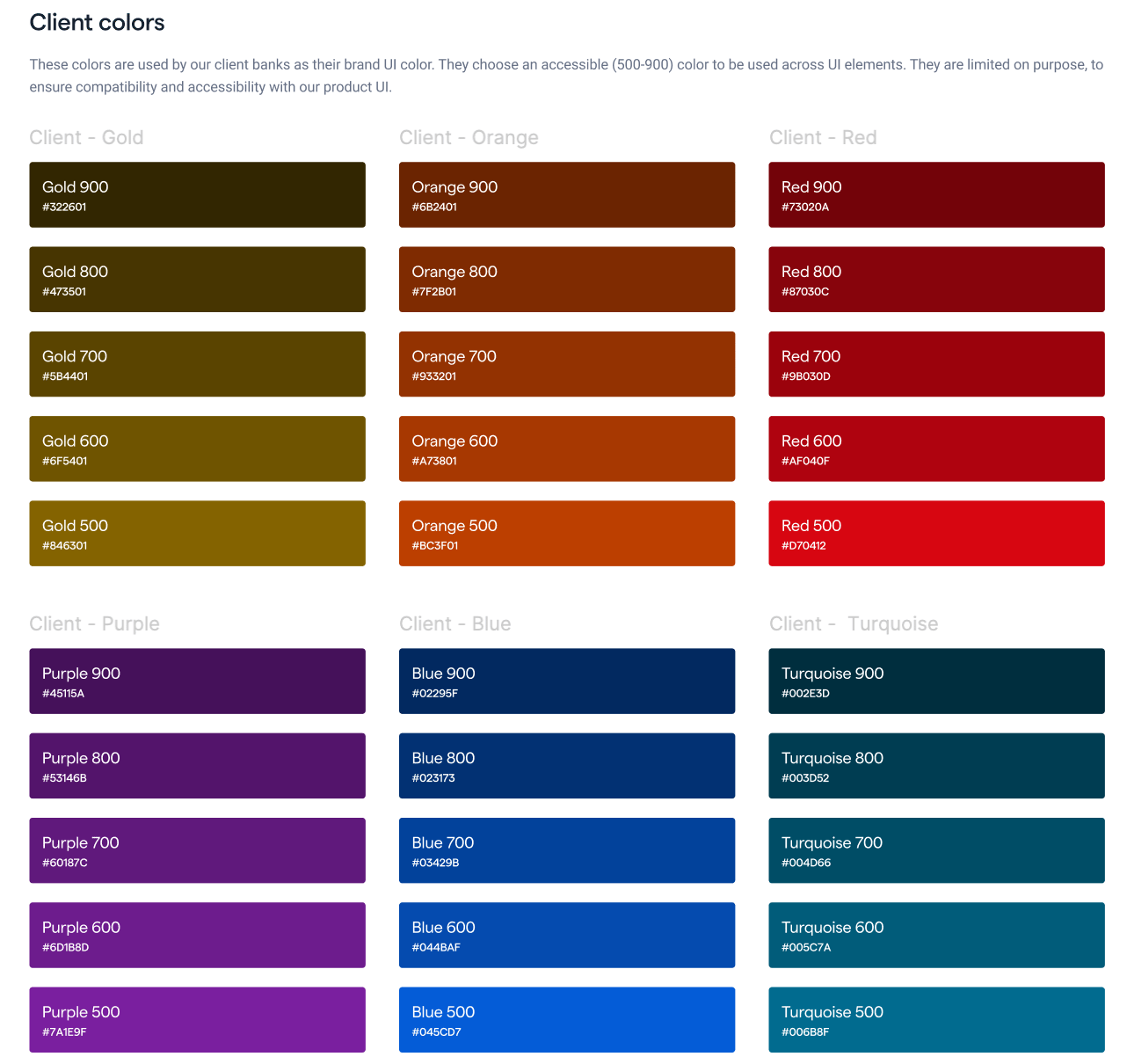
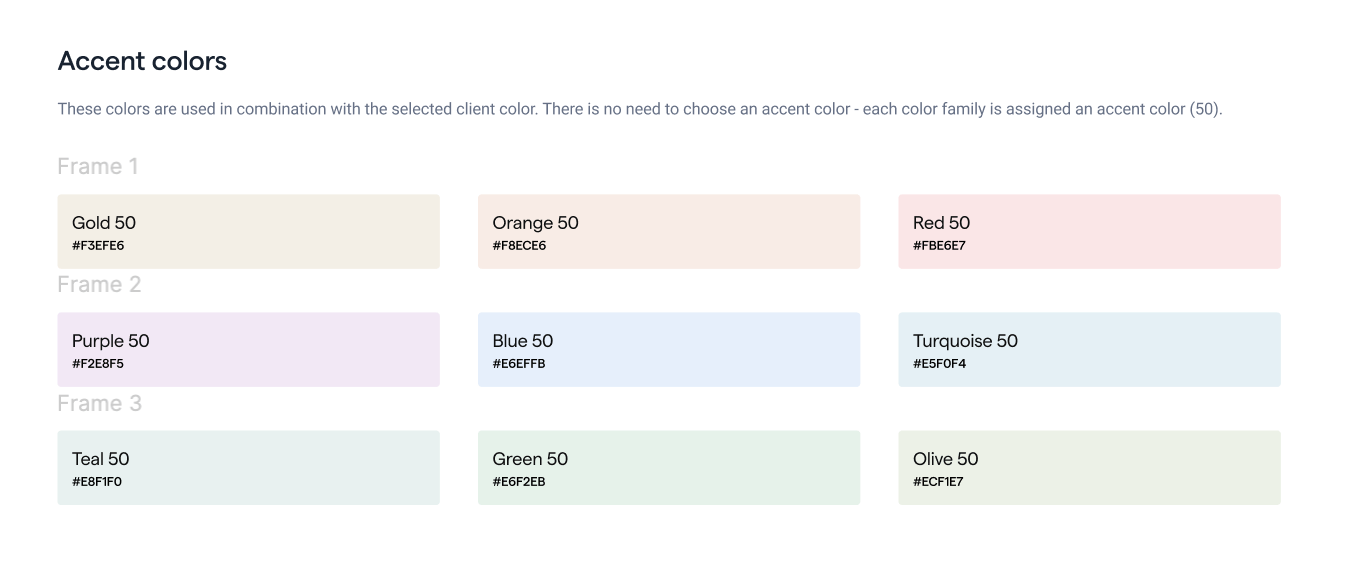
Finalized colour palette
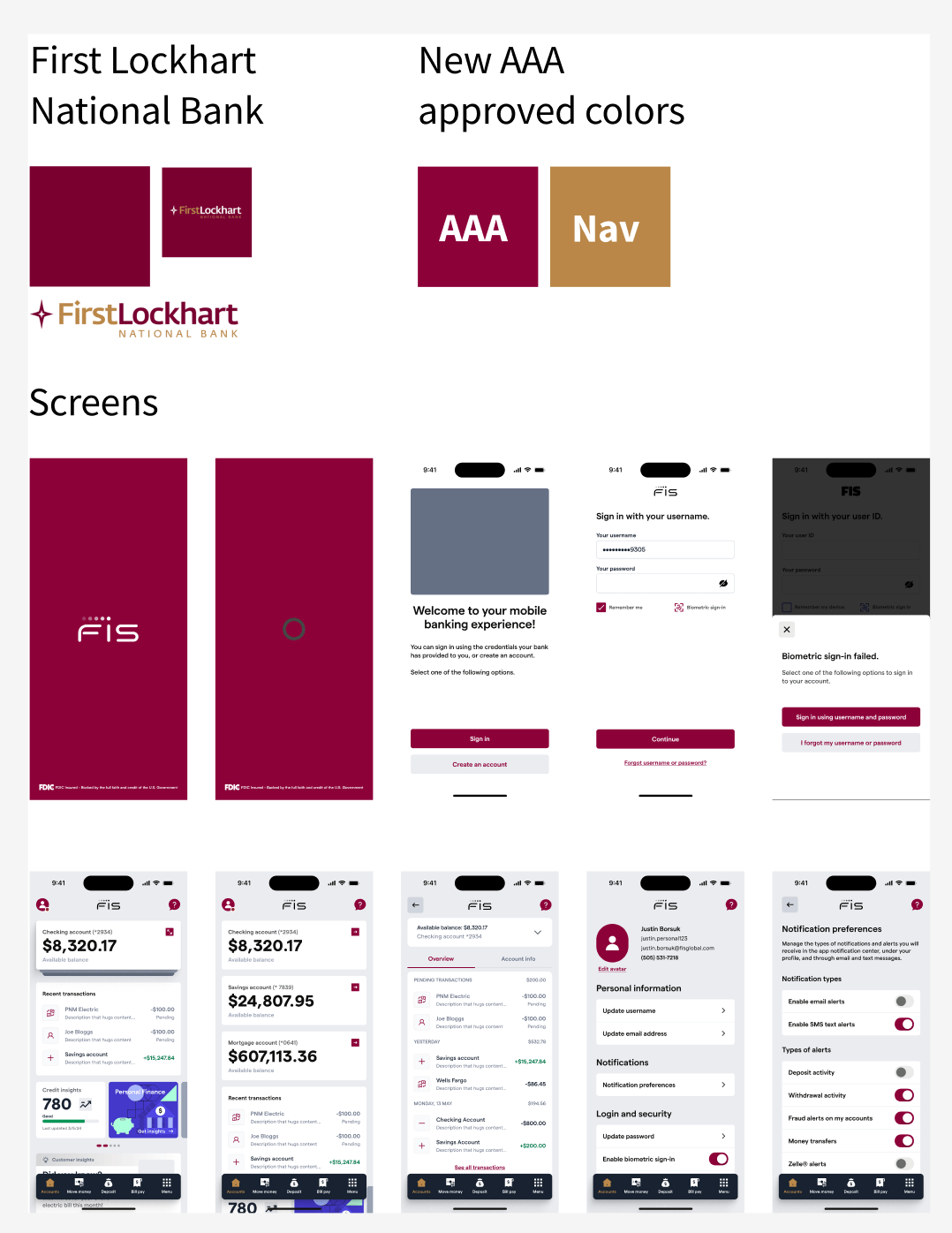
Client Bank’s Colour palette applied on UI
System Mapping (FigJam)
Audited partner brand palettes against WCAG AA standards, defined compliant color variables, and mapped integration into predefined component structures to preserve system consistency.
Outcome
- Achieved WCAG AA compliance across branded deployments
- Reduced accessibility risk in multi-institution implementations
- Enabled scalable brand customization without altering structural logic
- Increased stakeholder confidence through validated accessibility testing

appreciate you stopping by!
© 2026 Juxt Design Inc. · Navjeet Singh


